
Your basket
Cleaning & Sanitising in the Kitchen: Blue Roll, Sanitiser & the Kit You Need (UK Guide)
“Clean as you go” is drilled into every kitchen for good reason — but cleaning and sanitising are two different jobs, and getting them right (in the right order) is where a kitchen passes or fails its inspection. Here’s how it’s actually done, why blue roll earns its place, and the kit that makes it painless.
Cleaning vs sanitising — they’re not the same thing
It’s the distinction that trips people up. Cleaning removes what you can see — grease, food, dirt — using detergent and hot water. Sanitising deals with what you can’t see, reducing bacteria to a safe level. A surface can look spotless and still be covered in bacteria, and sanitiser sprayed onto grease barely works. So the golden rule is simple: clean first, then sanitise.
Two-stage cleaning, in order
- Clean. Remove food, grease and dirt with detergent and hot water. Sanitiser doesn’t work on a dirty surface.
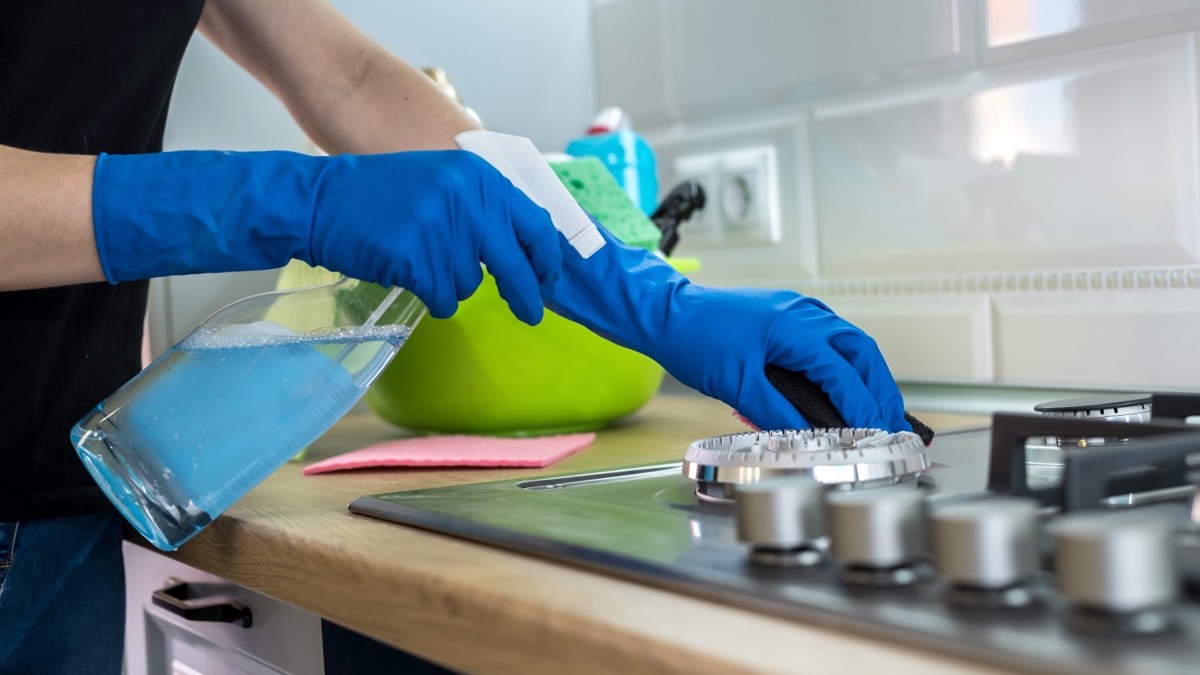
- Sanitise. Apply a food-safe sanitiser (look for BS EN 1276 or BS EN 13697) and — crucially — leave it for the contact time stated on the label before wiping. Wipe it off too soon and it hasn’t done its job.
Contact time — the step everyone rushes
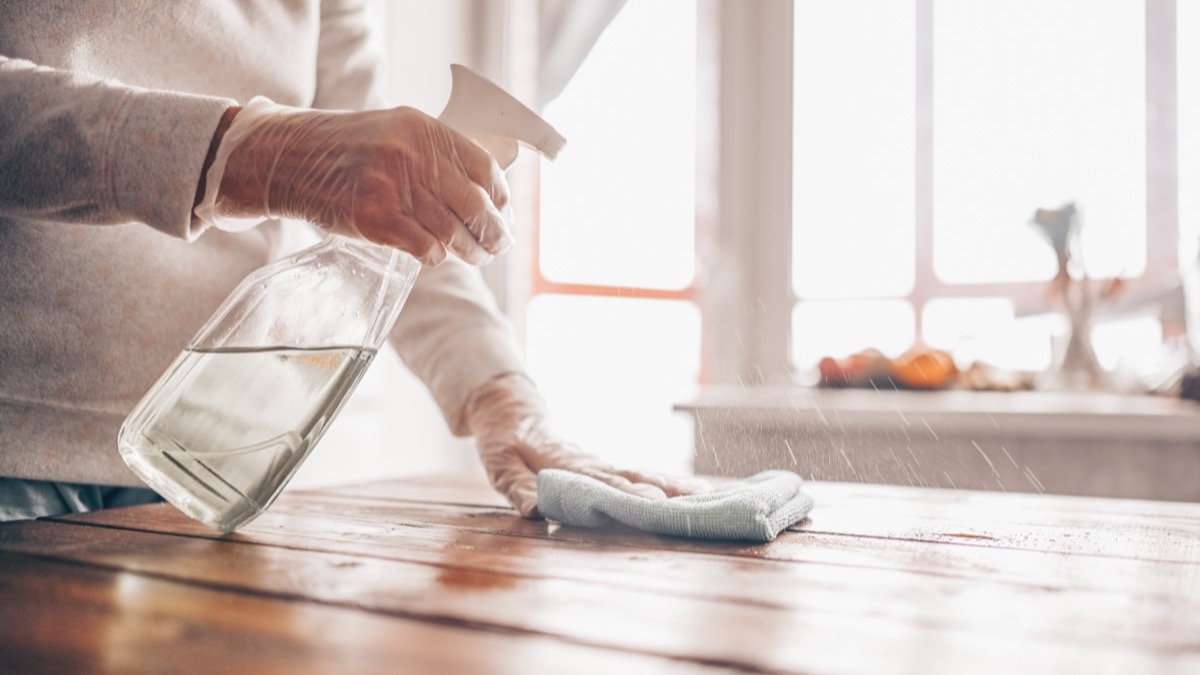
Here’s the mistake to avoid: spray sanitiser, wipe it straight off, move on. Sanitiser needs contact time — the number of seconds or minutes on the label — sitting on the surface to actually kill bacteria. Wipe it too soon and you’ve cleaned the surface but not sanitised it. Check the label, leave it the stated time, then wipe with fresh blue roll.
Why blue roll (and single-use) wins
Blue roll is a professional-kitchen staple for two deliberate reasons. It’s blue because blue isn’t a natural food colour — a stray piece is easy to spot rather than hiding in a dish. And it’s single-use: you wipe and bin, instead of pushing the same damp, bacteria-laden cloth around surface after surface. A reused cloth left out is genuinely one of the dirtiest things in a kitchen. Single-use cloths do the same job where you want a cloth in the hand.
Colour-coding & cross-contamination
Whichever you use, the aim is to stop one area’s germs reaching another. Many kitchens run a colour-coded cloth and equipment system so the cloth used around raw meat never ends up on a salad bench. Single-use cloths make this effortless — a fresh one each time, no laundering, no doubt about what it last touched. It all ties into HACCP and your cleaning schedule.
Don’t forget the probe
One spot people miss: the thermometer probe. It moves between raw and cooked food all shift, so it needs sanitising between uses — a dedicated probe wipe takes seconds and closes an easy cross-contamination route.
A quick word on COSHH
Cleaning chemicals are hazardous substances under COSHH. Store them safely away from food, follow the dilution and contact-time instructions, and never decant into an unlabelled bottle — an unlabelled spray of “something blue” is both a safety risk and an inspection flag.
What to look for when buying
- A recognised standard — BS EN 1276 / BS EN 13697 on any food-contact sanitiser.
- Contact time — clearly stated, and realistic for a busy service.
- Single-use where it counts — blue roll and disposable cloths over reused rags.
- Food-safe — suitable for food-contact surfaces (some need a potable rinse).
- Value in bulk — consumables you use daily are cheaper bought big.
The best cleaning & sanitising kit, compared
Five essentials that cover the cleaning and sanitising a kitchen actually needs. Prices move on Amazon, so we’ve linked to the live listing rather than quote a figure that’ll be out of date tomorrow.
| Product | Best for | Job | Link |
|---|---|---|---|
| Food-Safe Sanitiser Spray | Everyday surfaces | Sanitising | Amazon → |
| Blue Roll / Centrefeed | Single-use wiping | Wiping / drying | Amazon → |
| Disposable Cloths (50) | Single-use cleaning | Cleaning | Amazon → |
| Probe Wipes | Probe sanitising | Sanitising | Amazon → |
| Value Sanitiser (bulk) | Heavy use | Cleaning / sanitising | Amazon → |
Best food-safe sanitiser spray
Professional Food-Safe Anti-Bacterial Sanitiser Spray
Who it’s for: Everyday sanitising of food-contact surfaces and equipment.
A ready-to-use antibacterial sanitiser aimed at food areas — the bottle that should live on every prep bench. The thing to look for on any food sanitiser is a recognised standard such as BS EN 1276; that’s your evidence it actually kills what it claims to. Clean the surface first, then spray, then give it the contact time on the label before wiping.
Pros
- Made for food-contact surfaces
- Ready to use — no mixing
- Fast everyday sanitising
- Look for BS EN 1276 on the label
Bear in mind
- Sanitiser, not a heavy degreaser
- Still need to clean before you sanitise
Best blue roll
AmazonCommercial Blue Roll / Centrefeed Hygiene Paper
Who it’s for: Single-use wiping, spills and drying across the whole kitchen.
Blue roll is a kitchen staple for a reason. It’s blue on purpose — not a natural food colour, so a stray piece stands out rather than hiding in the food — and it’s single-use, so you’re not dragging the same damp cloth (and its bacteria) across surface after surface. A centrefeed roll and a wall dispenser make it a grab-and-go habit.
Pros
- Blue = visible if it strays into food
- Single-use avoids cross-contamination
- Endlessly useful — wiping, spills, drying
- Cheap per sheet in bulk
Bear in mind
- Ongoing consumable cost
- Pair with a dispenser to reduce waste
Best single-use cloths
Disposable All-Purpose Cleaning Cloths (Pack of 50)
Who it’s for: Wiping and cleaning where you want a cloth but not the bacteria of a reused one.
Reusable cloths are one of the most common hygiene weak points in a kitchen — a damp cloth left out is a bacterial hotel. Single-use cloths sidestep that: use it, bin it. They also make a colour-coded system easy, so the cloth used on a raw-meat area never ends up on a salad bench. Change them often and cross-contamination has nowhere to hide.
Pros
- Use once, then bin — no bacteria build-up
- Supports colour-coded areas
- Cheap enough to change often
- Good all-purpose grab
Bear in mind
- Less durable than a proper cloth
- Ongoing consumable
Best probe wipes
Sanisafe Food Probe Anti-Bacterial Wipes
Who it’s for: Sanitising your thermometer probe between different foods.
A small but important one. Your probe goes from raw chicken to a cooked dish and back — without a wipe between uses it’s a direct cross-contamination route. Dedicated probe wipes sanitise the tip in seconds so your temperature checks aren’t spreading what they’re meant to catch. Keep a tub next to the probe.
Pros
- Purpose-made for probe sanitising
- Quick — wipe between uses
- Stops the probe cross-contaminating
- Cheap insurance
Bear in mind
- Single-purpose item
- Another consumable to restock
Best value / bulk sanitiser
Professional Antibacterial Kitchen Sanitiser (Value)
Who it’s for: Kitchens that get through sanitiser fast and want a keener price.
A professional antibacterial cleaner-sanitiser as a value alternative for high-turnover kitchens — the sort of thing you want when a single trigger bottle doesn’t last the week. Same rule applies: check for a recognised standard, clean first, and respect the contact time. Buying bigger usually works out cheaper per spray.
Pros
- Better value for heavy use
- Cleaner-sanitiser in one
- Good for busy kitchens
- Check the standard on the label
Bear in mind
- Confirm food-safe standard before food-contact use
- Larger format needs decanting into a labelled trigger bottle
So, what should you buy?
The core kit is simple: a food-safe sanitiser (with the value bulk option if you get through it fast), plenty of blue roll and single-use cloths for wiping, and a tub of probe wipes by the thermometer. Get those, follow the clean-then-sanitise routine with proper contact time, and you’ve covered the daily basics an inspector wants to see.
Clean kitchen, clean inspection
Cleaning, sanitising and cross-contamination are core to our CPD-standard food safety training — under an hour, fully online.
View the Level 2 Food Safety course →Cleaning & sanitising: frequently asked questions
What’s the difference between cleaning and sanitising?
Cleaning removes visible dirt, grease and food debris with detergent. Sanitising (or disinfecting) then reduces the bacteria left behind to a safe level. They’re two separate jobs and the order matters: you must clean first, because sanitiser can’t work properly on a greasy or dirty surface. This is the heart of good kitchen hygiene and we cover it in our Level 2 Food Safety course.
What is BS EN 1276 and why does it matter?
BS EN 1276 is a British/European standard for the bactericidal activity of chemical disinfectants — in plain terms, proof that a sanitiser actually kills bacteria to a tested level. BS EN 13697 is the equivalent surface test. Look for one of these on any sanitiser you use on food-contact surfaces; it’s your evidence it does what the label claims.
Why is blue roll blue?
Two reasons. Blue isn’t a natural food colour, so if a piece ends up in the food it’s easy to spot. And blue roll is single-use — you wipe and bin, rather than spreading bacteria around on the same damp cloth. That combination is exactly why it’s the standard in professional kitchens.
Cloths or blue roll — which is more hygienic?
Single-use options (blue roll or disposable cloths) are the safer default, because a reused cloth left damp is a breeding ground for bacteria. If you do use reusable cloths, they must be laundered or sanitised properly between uses, and many kitchens run a colour-coded system so a cloth from a raw area never touches ready-to-eat food.
Do cleaning chemicals fall under COSHH?
Yes. Sanitisers and cleaning chemicals are hazardous substances under COSHH, so store them safely, follow the label, never decant into unlabelled bottles, and keep them well away from food. Our Level 1 COSHH course covers safe use and storage.
Remember to record your cleaning and sanitising activities at the time they are done, rather than relying on memory to write them up later. Accurate and up-to-date records are essential for maintaining good hygiene practices and demonstrating compliance with food safety regulations.
As an Amazon Associate, Good Food Hygiene earns from qualifying purchases. Buying through links on this page costs you nothing extra and helps us keep producing free food-safety guidance.