
Your basket
Temperature Control in the Kitchen: The Best Food Probe Thermometers (UK Guide)
A note on the links. Some links in this guide go to Amazon. If you buy through one, Good Food Hygiene may earn a small commission at no extra cost to you. It does not change what we recommend.
Ask any Environmental Health Officer what separates a safe kitchen from a risky one and temperature control will be near the top of the list. Get food hot enough, cold enough, and out of the danger zone quickly enough, and you’ve dealt with most of what causes food poisoning. The humble probe thermometer is how you do it — and prove it. Here’s why it matters, how to use one properly, and five worth considering.
Why temperature control is the heart of food safety
Harmful bacteria don’t need much to thrive: warmth, moisture and time. Between 8°C and 63°C — the “danger zone” — they can double in as little as twenty minutes. Cooking to a high enough core temperature destroys them; chilling quickly stops them growing. Everything in between is guesswork unless you’re actually measuring it, and a colour or a poke with a finger simply isn’t evidence. A probe turns “it looked done” into a number you can record and defend.
The numbers you’re checking for (UK)
- Cooking: a core temperature of 75°C — or a safe equivalent such as 70°C for 2 minutes.
- Hot holding: 63°C or above.
- Reheating: 75°C (82°C in Scotland).
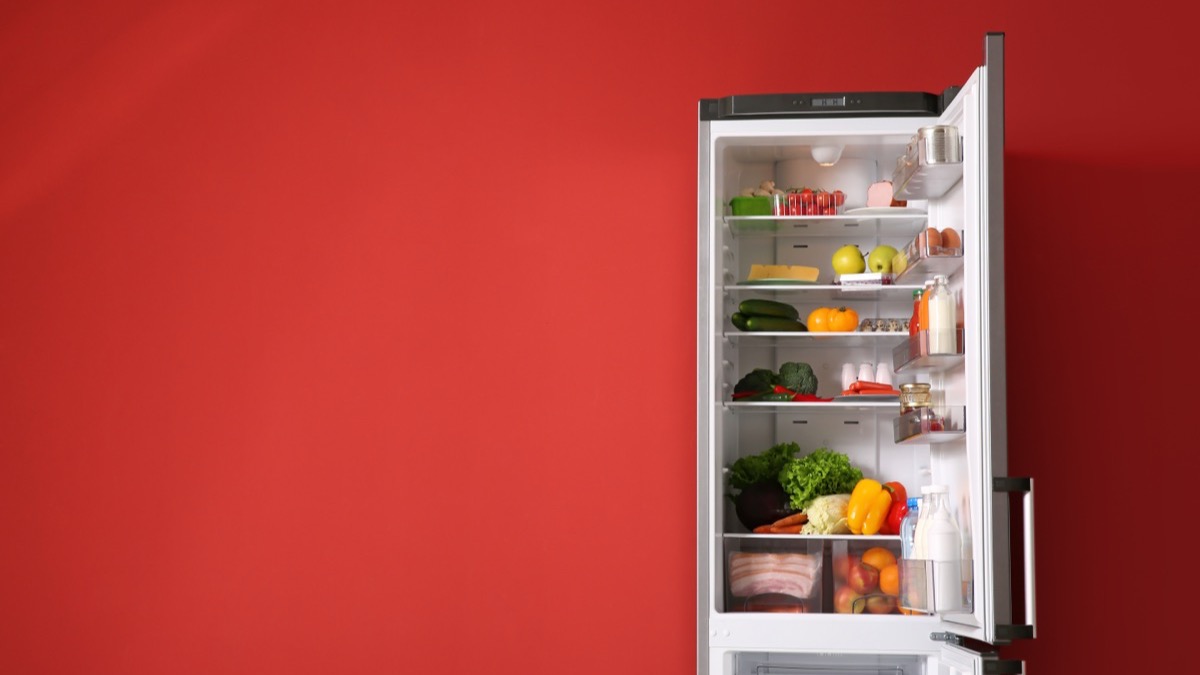
- Chilled storage: legally 8°C or below — aim for 5°C or under.
- The danger zone: 8°C–63°C, where bacteria multiply fastest. A probe is how you prove food spent as little time there as possible.
The types of food thermometer, explained
Not every thermometer does the same job. The four you’ll come across:
- Instant-read probes — the everyday tool. A thin penetration tip for quick core checks on cooking, reheating and hot-holding. If you buy one thing, buy this.
- Leave-in & wireless probes — sit in the food and monitor as it cooks, often with a phone app and target-temperature alerts. Ideal for roasts and hot-holding.
- Infrared thermometers — read surface temperature only. Handy for checking fridge shelves and deliveries, but they can’t tell you the core is safe.
- Data loggers — sit in fridges and freezers recording temperature around the clock for your cold-chain records.
Using a probe properly
A probe is only as good as the habit around it:
- Measure the core. Insert into the thickest part or centre of the food and wait for the reading to settle.
- Clean and sanitise between foods. Use probe wipes, especially when moving between raw and ready-to-eat — a dirty probe is a cross-contamination route.
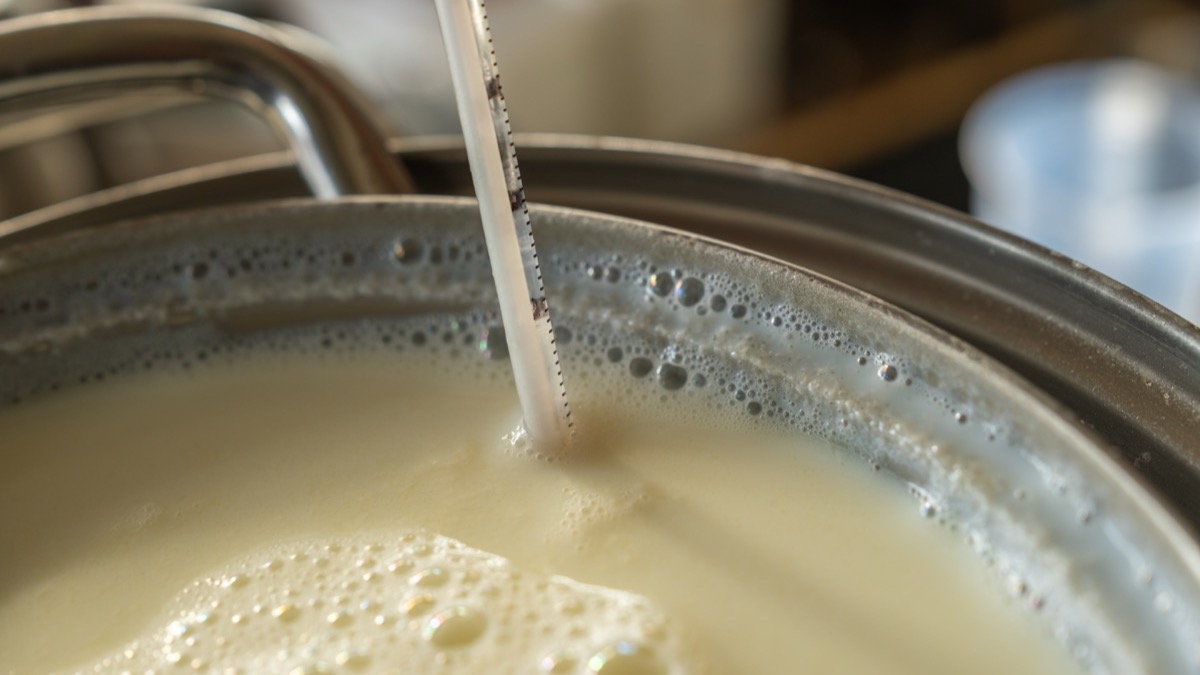
- Calibrate regularly. Melting ice should read about 0°C, boiling water about 100°C. Check it and record it.
- Write it down. Log your checks. Records are what turn a good routine into due diligence.
All of this sits at the heart of HACCP and is covered in our Food Safety & Hygiene for Catering and Food Safety & Hygiene for Catering Supervisors courses.
What to look for when buying
- Fast, accurate reading — a quick response and a tight accuracy tolerance.
- The right style — instant-read for spot-checks, wireless leave-in for roasting and hot-holding.
- Easy to clean — ideally waterproof, so it survives a proper wipe-down.
- Calibration — can you check and reset it, or is it supplied accredited?
- Foldaway or detachable probe — safer to carry and quicker to deploy.
The best food probe thermometers, compared
Five thermometers worth a look, framed by the job they do best. Prices move constantly on Amazon, so we’ve linked straight to the live listing rather than quote a figure that’ll be stale by service.
| Thermometer | Best for | Type | Link |
|---|---|---|---|
| Multi-function Catering Probe | Pro kitchens / HACCP | Instant-read probe | Amazon → |
| ThermoMaven Turbo | Speed on a busy line | Instant-read | Amazon → |
| Multi-Sensor Accredited | Accuracy / due diligence | Wireless multi-probe | Amazon → |
| BFOUR BF-40 | Tracking several items | Bluetooth leave-in | Amazon → |
| ThermoMaven Wireless | Roasting / hot-holding | Wireless leave-in | Amazon → |
Best for professional kitchens
Multi-function Digital Catering Thermometer Probe
Who it’s for: Any commercial kitchen doing daily HACCP temperature checks.
This is the classic catering workhorse — a fold-away or detachable digital probe built for the food industry rather than the barbecue. It’s the sort of thermometer an EHO expects to see clipped to a chef’s whites: quick to deploy for cook, hot-hold, chill and delivery checks, easy to wipe down between uses, and cheap enough to have more than one. If you’re buying a probe to keep your food-safety records straight, start here.
Pros
- Purpose-built for catering
- Fast spot-checks for HACCP records
- Easy to clean and sanitise
- Affordable enough to have spares
Bear in mind
- Basic display vs premium units
- Single probe (no leave-in monitoring)
Best instant-read for speed
ThermoMaven Turbo Instant-Read Digital Thermometer
Who it’s for: Busy lines where you need a core temperature in a second or two.
When you’re checking dozens of covers a service, read speed matters. The ThermoMaven Turbo is built around a fast-response tip that settles almost instantly, so you’re not standing over a portion waiting for the number to catch up. A great everyday instant-read for confirming that chicken, mince or reheats have hit a safe core temperature.
Pros
- Very fast read time
- Slim tip for an accurate core reading
- Simple one-handed use
- Good for high-volume checking
Bear in mind
- Spot-checks only, not leave-in
- Premium instant-read price
Best premium / most accurate
Multi-Sensor Wireless Accredited Thermometer
Who it’s for: Operators who want lab-grade accuracy and multiple probes at once.
A step up for kitchens that take temperature seriously: a wireless, multi-sensor unit marketed as accredited for accuracy, so you can trust the reading and monitor more than one item at a time. Useful where you’re cooking large joints, running sous-vide, or want a documented, accurate figure for due-diligence records.
Pros
- Marketed as accredited for accuracy
- Multiple sensors at once
- Wireless monitoring
- Good for large joints / sous-vide
Bear in mind
- Costs more than a basic probe
- More features than a small kitchen needs
Best for tracking multiple items
BFOUR BF-40 Bluetooth Colour-Coded Thermometer
Who it’s for: Kitchens roasting or hot-holding several items and wanting phone alerts.
The BF-40 leans on colour-coded probes and a Bluetooth app, so you can leave sensors in different items and see them all on your phone — handy when several joints or trays are going at once. The colour coding also helps keep raw and cooked probes separate, which is a nice cross-contamination win.
Pros
- Colour-coded probes reduce mix-ups
- Bluetooth app with alerts
- Monitor several items together
- Good for roasting and hot-holding
Bear in mind
- Relies on phone / app pairing
- Leave-in style, less ideal for quick spot-checks
Best wireless for roasting & hot-holding
ThermoMaven Bluetooth Wireless Meat Thermometer
Who it’s for: Roasting, slow-cooking and hot-holding where you want to walk away and get alerts.
A fully wireless leave-in probe with app monitoring — set your target temperature, drop it in the joint, and get an alert on your phone when it’s there. Ideal for long roasts and hot-holding where standing over the food isn’t practical, freeing up a pair of hands during service.
Pros
- Truly wireless leave-in probe
- Target-temp alerts to your phone
- Great for long roasts / hot-holding
- Frees up hands during service
Bear in mind
- Leave-in, not a quick spot-checker
- Needs charging and app pairing
So, which should you buy?
For most kitchens, start with the multi-function catering probe — it’s the purpose-built, easy-to-clean instant-read that keeps your HACCP checks honest. If you’re running a fast line and read speed matters, the ThermoMaven Turbo is the quicker everyday option, and the multi-sensor accredited unit is the one to reach for when accuracy and documentation really matter. Doing a lot of roasting or hot-holding? A wireless leave-in like the BFOUR BF-40 or the ThermoMaven Wireless lets you set a target and walk away.
Whichever you pick, the thermometer is only half of it — the other half is knowing your target temperatures and logging your checks.
Know your numbers, pass your inspection
Temperature control is a core part of our CPD-standard food safety training. Under an hour, fully online.
View the Food Safety & Hygiene for Catering course →Food probe thermometers: frequently asked questions
Do I legally need a probe thermometer in a commercial kitchen?
Food law doesn’t name a specific piece of equipment, but it does require you to produce food that’s safe and to manage it based on HACCP principles — and temperature is one of the main controls. In practice a probe thermometer is the only realistic way to prove cooking, hot-holding, chilling and reheating temperatures for your due-diligence records (Safer Food, Better Business and similar). It’s expected kit.
What temperature should food be cooked to?
As a working rule, cook to a core temperature of 75°C, or a safe equivalent such as 70°C held for two minutes. Hot-hold at 63°C or above, reheat to 75°C (82°C in Scotland), and keep chilled food at 8°C or below. We go through these properly in our Food Safety & Hygiene for Catering course.
Instant-read or leave-in — which do I need?
Most kitchens want an instant-read probe as their everyday tool for quick core checks during service. A leave-in / wireless thermometer is a great second device for long roasts and hot-holding, where you want to set a target and get an alert rather than stand over the food. Plenty of professional kitchens keep both.
How do I check my probe is accurate (calibration)?
Use the two-point test: in a cup of melting ice it should read about 0°C, and in boiling water about 100°C (at sea level). If it’s out, recalibrate or replace it. And always clean and sanitise the probe — ideally with probe wipes — between different foods to avoid cross-contamination.
Can I use an infrared thermometer for food safety?
Only for surface temperatures — checking a fridge shelf or a delivery, for example. Infrared can’t read the core of the food, which is what actually tells you whether it’s safely cooked or chilled through. For cooking and reheating checks you need a penetration probe.
As an Amazon Associate, Good Food Hygiene earns from qualifying purchases. Buying through links on this page costs you nothing extra and helps us keep producing free food-safety guidance.