
Your basket
Norovirus in the Kitchen: What to Do When a Member of Staff Is Sick
If a member of staff has diarrhoea or vomiting, they must not handle food or come into the food area, and they must not come back until they’ve had no symptoms for 48 hours. Soap and water, not hand gel, and a bleach-based clean are what stop norovirus spreading through your kitchen.
Norovirus is often called the winter vomiting bug, and it can take out several members of a kitchen team in the same week. It spreads easily from person to person and through food, and UKHSA says it can survive on surfaces for days or weeks. For a food business the risk isn’t just losing staff: it’s passing it on to customers through the food.
The UK Health Security Agency points out that although it peaks in winter, you can catch it at any time of year. So this is worth having a plan for now, before you need one.
The symptoms
According to the NHS, symptoms usually start suddenly and include feeling sick, being sick and diarrhoea. Some people also get a high temperature, aching arms and legs, and a headache. Most people feel better within two or three days, but they can still spread the virus after they feel fine.
The rules for food handlers
GOV.UK’s guidance for food businesses is clear:
- Staff must tell their manager if they’re not feeling well.
- They must not handle food or enter the food handling area if they have diarrhoea or vomiting.
- They must also tell their manager if anyone they live with has diarrhoea or vomiting.
- They must not return to work until they’ve had no symptoms for 48 hours.
Count the 48 hours from when the last symptom stopped. Our answer page on the 48-hour rule has a worked example.

What to do, step by step
1. Get them out of the kitchen
Send the person home straight away, even if they say they’re fine now. Don’t let them finish the service. Make sure they know when they can come back, and that they should ring you rather than just turn up.
2. Wash hands properly, and forget the gel
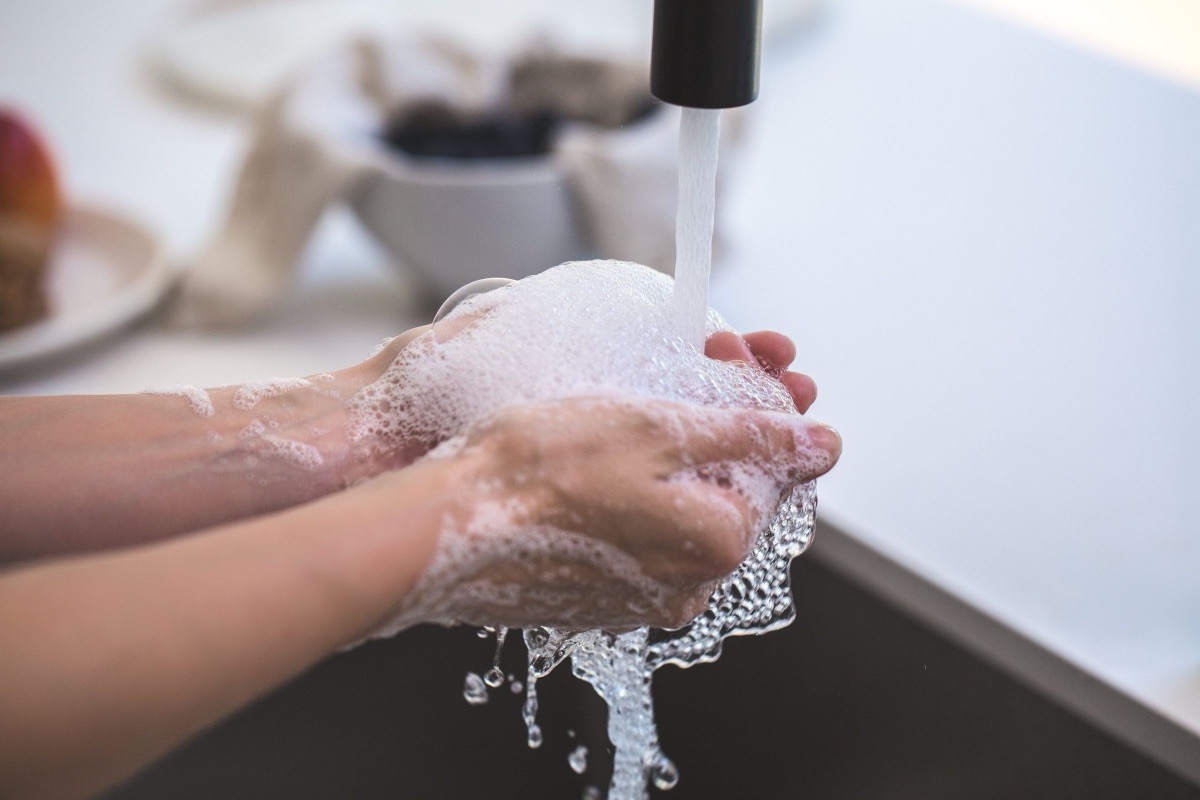
UKHSA puts it simply: “Alcohol-based hand sanitisers don’t kill norovirus.” Everyone needs to wash with soap and warm water, thoroughly, and dry with paper towels. Put up our free handwashing poster by every basin if it isn’t there already.
3. Clean and disinfect, with bleach
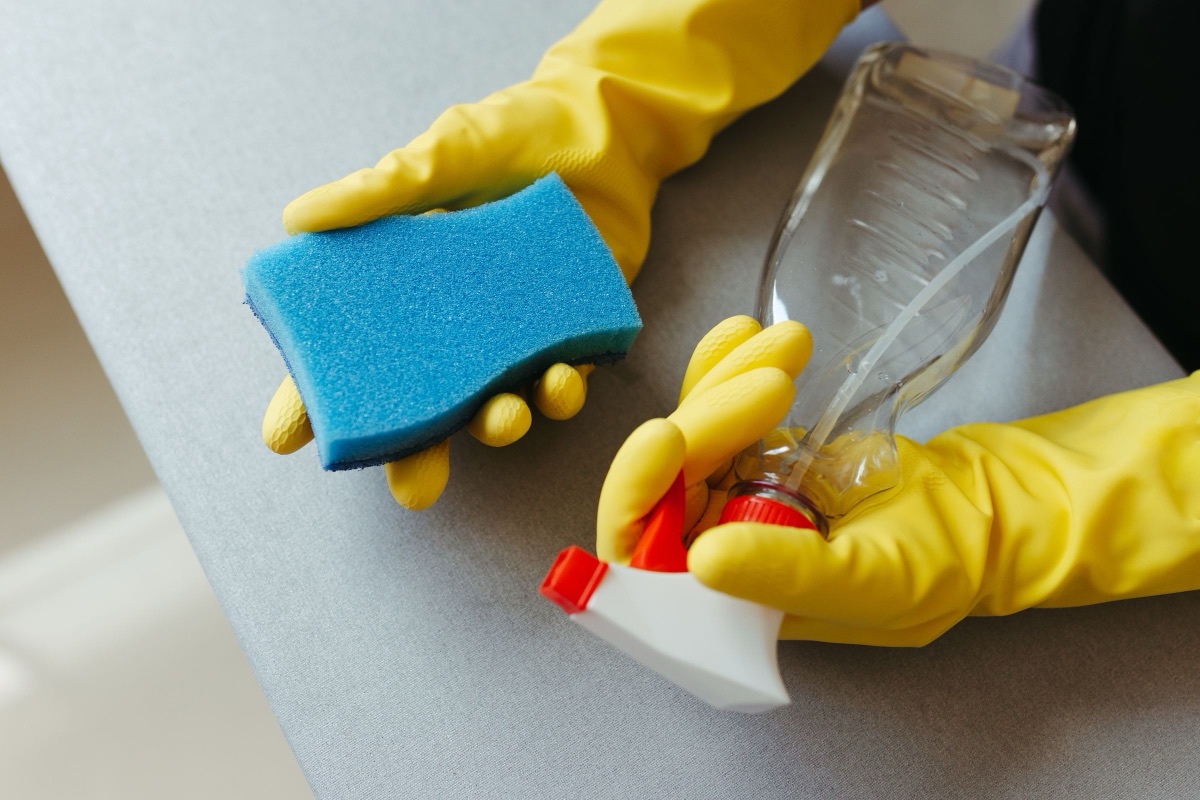
UKHSA advises disinfecting contaminated surfaces “using bleach-based cleaning products where possible, as norovirus can survive on surfaces for days or weeks otherwise”. In practice:
- Wear disposable gloves and an apron.
- Clean first to remove any visible mess, then disinfect with a bleach-based (chlorine) product at the strength the manufacturer gives for disinfection. Leave it for the full contact time.
- Pay attention to touch points: taps, door handles, fridge handles, the till, the staff toilet and flush handle.
- Use disposable cloths and throw them away afterwards.
- Check the product is safe for food-contact surfaces, and rinse if the label says to.
Our free cleaning and disinfection poster sets out the order to work in.
4. Throw away food that could be contaminated
If someone has been sick in or near a food area, throw away any open or uncovered food that could have been exposed. It’s painful to bin stock, but it’s much cheaper than an outbreak.
5. Write it down
Record who was ill, when their symptoms stopped and when they came back. It shows the officer you followed the rules, and it helps you spot a pattern if more people go down.
When to call your council
If several staff or customers become ill with similar symptoms, or a customer tells you they were ill after eating with you, contact your local council’s environmental health team. They can advise you and help work out whether food was involved. Contacting them early is always the right call.
Make it part of induction
The 48-hour rule only works if people follow it. Explain it to every new starter before their first shift, including why: someone on a zero-hours contract may feel they can’t afford to stay off. Your policy on sick pay has a bigger effect on food safety than most people realise.
Every food handler should know this before their first shift
Our short course for food handlers covers illness, handwashing and cleaning in plain language, in 15 languages. Try it free.
Try the free practice course →Frequently asked questions
Can a food handler come back after 24 hours if they feel fine?
No. GOV.UK guidance is that staff with diarrhoea or vomiting must not return to work until they’ve had no symptoms for 48 hours, however well they feel.
Does hand sanitiser kill norovirus?
No. UKHSA says alcohol-based hand sanitisers don’t kill norovirus. Wash with soap and warm water instead.
What if someone in their household is ill but they aren’t?
They must tell their manager. Discuss it with them and your council if you’re unsure, and be extra strict about handwashing.
Free downloads for this topic
Free to download and print, no sign-up. See all our free posters and record sheets.