
Your basket
Signs of Pests in a Commercial Kitchen, and What to Do
Droppings, gnawed packaging, greasy smear marks along walls, and insects or their egg cases are the most common signs of pests in a kitchen. If you find any of them, act immediately: call a pest control contractor, throw away anything the pests may have touched, and clean and disinfect the area.
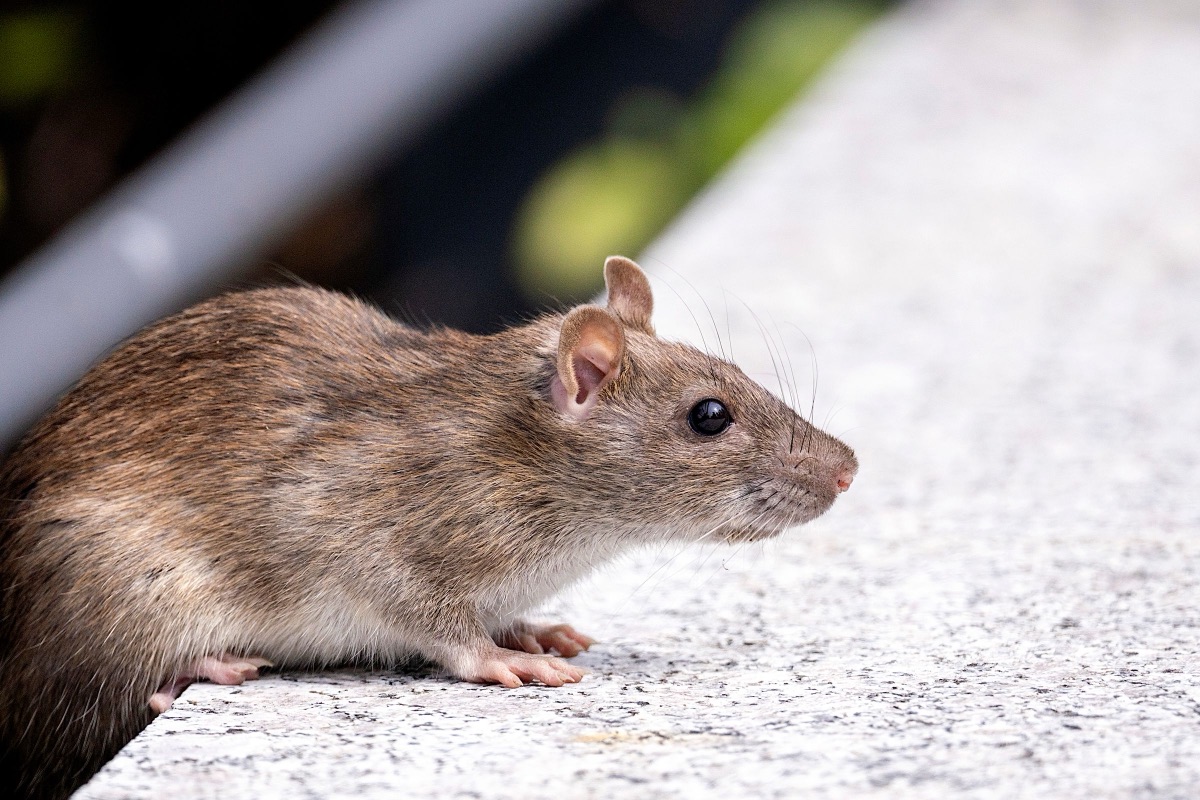
Pests are one of the fastest ways for a good kitchen to get into serious trouble. They carry harmful bacteria, they contaminate food and packaging, and a serious infestation can be treated as an imminent risk to health, which allows a council to close a business straight away with an emergency prohibition notice. The good news is that pests almost always leave signs long before they become an infestation, if someone is looking.
What the law says
Food hygiene law (Regulation 852/2004, as kept in UK law) is short and clear: “Adequate procedures are to be in place to control pests.” It also requires procedures to keep domestic animals out of places where food is prepared, handled or stored. The law doesn’t say you must have a pest control contract. It says you must control pests effectively, and be able to show how.
The signs to look for
This table follows the FSA’s own Safer Food, Better Business guidance:
| Pest | Signs |
|---|---|
| Rats and mice | Small footprints in dust, droppings, holes in walls and doors, nests, gnawed goods or packaging, grease or smear marks, urine stains on food packaging |
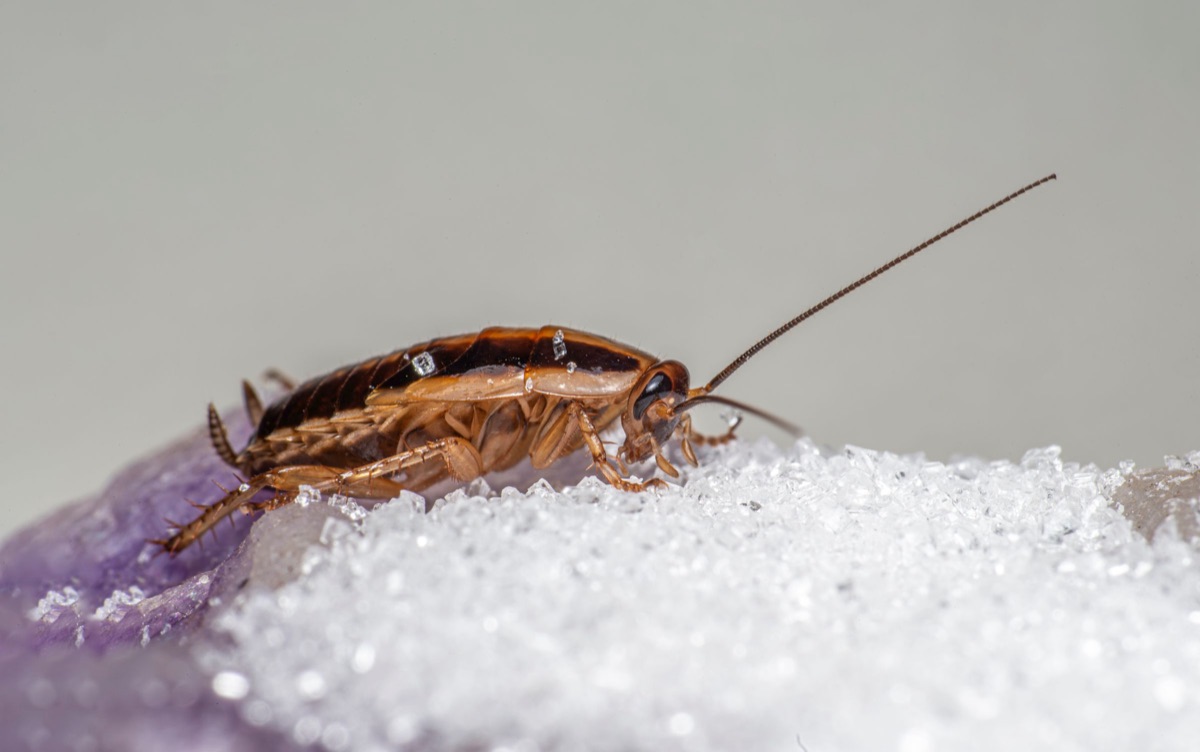
| Cockroaches | Eggs and egg cases, moulted “skins”, the insects themselves, droppings |
| Flies and flying insects | Bodies of insects, live insects, webbing, nests, buzzing, maggots |
| Beetles and weevils | Moving insects, particularly in dry food, small maggots |
| Ants | Small piles of sand or soil, the insects themselves, flying ants on hot days |
| Birds | Feathers, droppings, nests, noise, the birds themselves |
Where to look
- Behind and under equipment, especially where it’s warm: fridge motors, ovens, dishwashers.
- Dry stores: the bottom shelf, the backs of shelves, inside opened sacks of flour and rice.
- Where pipes and cables come through walls. Gaps here are highways.
- Deliveries. Pests often arrive in them. Check every delivery for gnawed packaging or insects, and refuse it if you find any.
- Outside: bins, the yard and anywhere rubbish or weeds build up.
What to do the moment you find a sign
The FSA’s guidance sets out what to do if things go wrong:
- Call a pest control contractor immediately. Keep their number somewhere every member of staff can find it.
- Throw away any food you think pests have touched in any way.
- Wash, disinfect and dry any equipment, surfaces or utensils pests may have touched.
- Write down what you found and what you did, in your diary or on a pest sighting log.
Then stop it happening again: check more often, raise your cleaning and housekeeping standards, and retrain staff to recognise and report signs straight away.
If the problem is serious, with live pests in food areas or a lot of activity, stop preparing food in the affected area until it’s dealt with, and speak to your council if you’re unsure. Carrying on is never worth it.
Never do this
Never let pest control bait or chemicals, including sprays, touch food, packaging, equipment or surfaces: they’re likely to be poisonous to people. Leave baiting to a professional.
Keeping pests out
- Nothing left out overnight: no food, no dirty plates. They’re a source of food for pests.
- Everything stored off the floor, in sealed containers once opened.
- Doors and windows closed or screened, and gaps around pipes sealed.
- Bins with close-fitting lids, cleaned regularly, and the outside kept tidy and free of weeds.
- Regular, recorded checks. Put reminders in your diary. If you use a contractor, keep a record of their visits and their recommendations, and note when you acted on them.

Pests are one of the things the officer checks under the condition of your premises, and any sign of them will be noted. Our guide on how to get a 5 food hygiene rating explains how the scores work.
Train your team to spot pests early
Our Cleaning & Pest Control course covers cleaning schedules, chemicals, pest signs and what to do when you find them.
See the course →Frequently asked questions
Do I legally need a pest control contract?
No. The law requires adequate procedures to control pests, not a contract. Many businesses use a contractor because it’s the easiest way to do it effectively and show that they have.
Can I put down my own poison or traps?
The FSA’s guidance is that bait and chemicals must never touch food, packaging, equipment or surfaces. In a food business, baiting is best left to a professional.
What should I do if I find droppings in the dry store?
Call your pest contractor, throw away anything that may have been touched, clean and disinfect the area, and write down what you found and did.
Free downloads for this topic
Free to download and print, no sign-up. See all our free posters and record sheets.