
Your basket
Kitchen First Aid: Why It Matters & the Best Catering First Aid Kits (UK Guide)
A note on the links. Some links in this guide go to Amazon. If you buy through one, Good Food Hygiene may earn a small commission at no extra cost to you. It does not change what we recommend.
A busy kitchen is one of the most injury-prone workplaces there is. Hot oil, open flames, sharp knives, wet floors and people moving fast in a small space — it’s not a question of if someone gets hurt, but when, and whether you’re ready. Here’s why first aid deserves a proper place in your food business, the best-practice basics every kitchen should follow, and six catering first aid kits worth considering.
Why first aid matters more in a kitchen
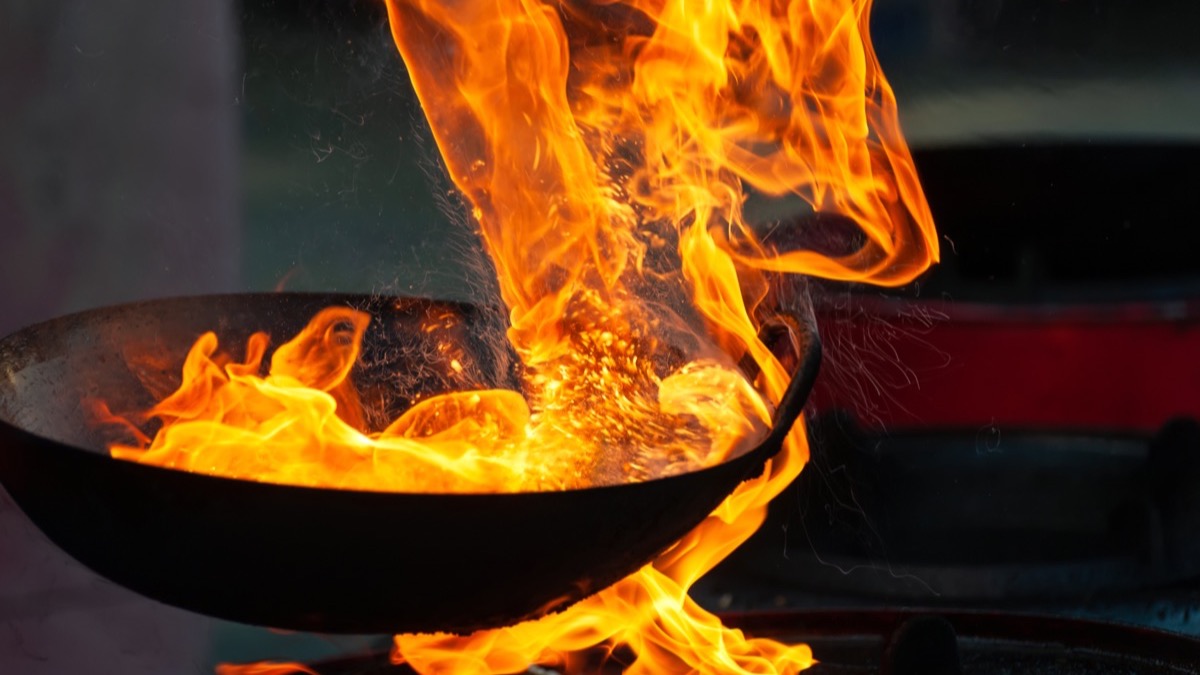
Most workplaces worry about the occasional paper cut. Kitchens deal with burns and scalds from fryers, ovens, steam and hot pans; deep cuts from knives, mandolines and slicers; and slips on greasy or wet floors. These aren’t rare events — they’re the daily risk profile of the job. When one happens mid-service, the difference between a minor incident and a serious one often comes down to whether the right dressing is within arm’s reach and someone knows how to use it.
There’s a food-safety angle too. An uncovered cut on a food handler isn’t just a welfare issue, it’s a contamination risk. Being able to clean, dress and visibly cover a wound quickly keeps both your staff and your food safe — which is exactly why kitchen first aid and food hygiene belong in the same conversation.
The legal bit (kept short)
Under the Health and Safety (First-Aid) Regulations 1981, every employer must provide adequate and appropriate first aid equipment, facilities and personnel. In plain terms: a properly stocked kit, kept where people can reach it, plus at least an appointed person to take charge in an emergency — and, depending on your risk, one or more trained first aiders. How much you need comes from a simple first aid needs assessment based on your headcount, layout and hazards. Serious injuries also have to be recorded, and some are reportable under RIDDOR.
If your team’s training is due a refresh, our First Aid Awareness at Work course covers the essentials, and there’s a free taster version if you’d like to try it first.
Best-practice kitchen first aid
A kit on the wall is only half the job. These are the habits that actually keep a kitchen safe:
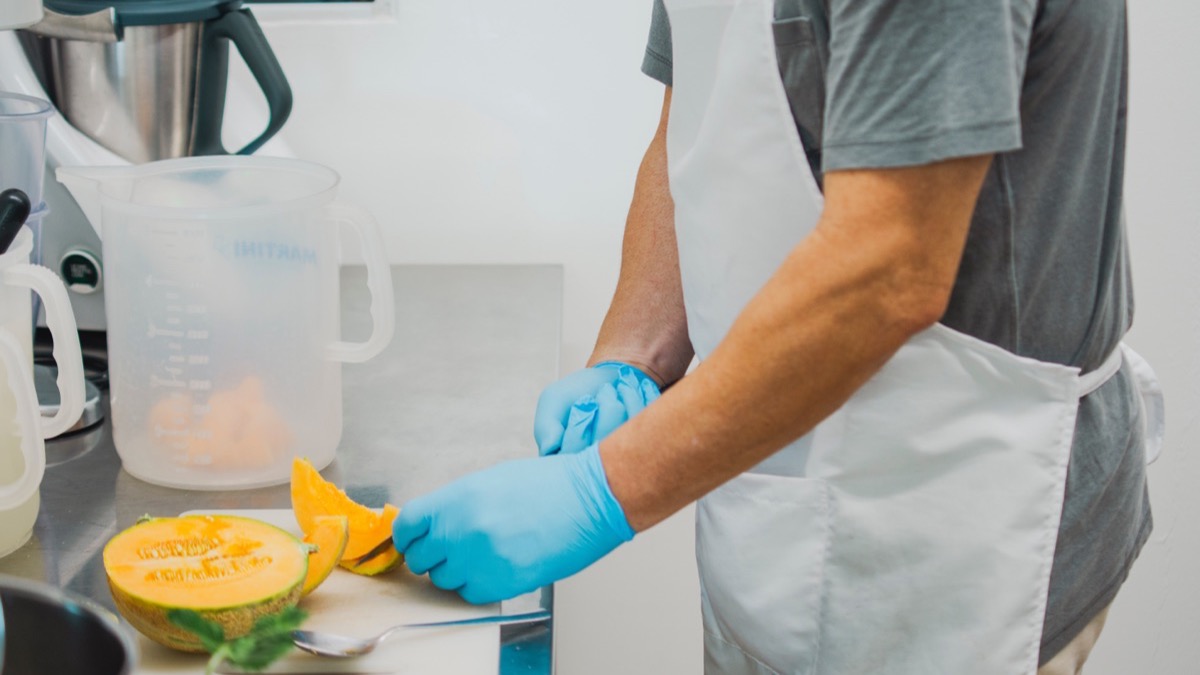
- Use blue detectable plasters and dressings. They’re visible against food and metal-detectable, so a lost plaster gets spotted rather than served. Cover every cut, and have food handlers wear a glove over a dressed hand.
- Know your burns first aid. Cool under running water for at least 20 minutes — no ice, no butter, no creams. It’s the single most useful thing you can teach every member of a kitchen team.
- Keep the kit stocked, clean and findable. Wall-mount it, sign it, and stock-check it monthly. A half-empty box helps no one.
- Have a named person in charge. Everyone should know who the appointed person or first aider is on each shift.
- Record everything. Keep an accident book, log every incident, and know which injuries are RIDDOR-reportable.
Burns and cuts also feature in our Food Safety & Hygiene for Catering and Health & Safety in the Workplace courses, because good kitchen safety and good food hygiene are really the same discipline.
What to look for in a kitchen first aid kit
- Catering specification — blue detectable plasters and extra burns dressings, not a generic office kit.
- BS 8599-1 — the British Standard for workplace kit contents; the easy way to know it’s stocked sensibly.
- The right size for your headcount — small (1–10), medium or large (up to 50) so you’re not constantly refilling.
- Wall-mountable, wipe-clean case — fixed location, easy to keep clean.
- Easy refills — a kit you can top up cheaply is one you’ll actually maintain.
The best catering first aid kits, compared
Six kits worth a look, framed by the kind of kitchen they suit best. Prices change constantly on Amazon, so we’ve linked straight to the current listing rather than quote a figure that’ll be out of date by lunchtime.
| Kit | Best for | Standard | Catering-spec? | Link |
|---|---|---|---|---|
| Safety First Aid – Large | Busy kitchens (21–50) | BS 8599-1 | Yes | Amazon → |
| Safety First Aid – Small | Cafés (1–10) | BS 8599-1 | Yes | Amazon → |
| Evolution BarKiosk | Bars, kiosks, vans | Catering | Yes | Amazon → |
| Blue Dot Eclipse | Best value | Catering | Yes | Amazon → |
| Lewis-Plast Premium | Mixed premises | BS 8599-1 | No (add blue plasters) | Amazon → |
| Premier Wall-Mounted | Fixed station | HSE | No (add blue plasters) | Amazon → |
Best for busy kitchens
Safety First Aid Group Catering Kit – Large (21–50 people)
Who it’s for: Large cafés, restaurants, hotel and production kitchens with bigger teams.
This is the full-size version of Safety First Aid’s catering kit, stocked to the BS 8599-1 British Standard and sized for a workforce of 21–50. If you run a proper brigade rather than a two-person coffee bar, this is the sensible baseline — it carries enough burns dressings, blue detectable plasters and wound dressings to deal with more than one incident before it needs a refill.
Pros
- Sized for larger teams (21–50)
- BS 8599-1 catering specification
- Blue detectable plasters included
- Plenty of burns provision
Bear in mind
- Overkill for a small café or van
- Takes more wall space
Best for small kitchens & cafés
Safety First Aid Group Catering Kit – Small (1–10 people)
Who it’s for: Independent cafés, takeaways, small restaurant kitchens and delis.
Same trusted BS 8599-1 catering specification as the large kit, in a footprint that suits a smaller team of up to 10. For most independent food businesses this is the one to start with: it hits the British Standard, includes the blue detectable plasters that matter in a food environment, and won’t swallow half a wall.
Pros
- Right size for most independents
- BS 8599-1 catering specification
- Blue detectable plasters included
- Compact wall footprint
Bear in mind
- Refills needed sooner in a busy site
- Not enough on its own for a big brigade
Best for bars, kiosks & coffee vans
Safety First Aid Group Evolution BarKiosk Catering Kit
Who it’s for: Bars, kiosks, coffee vans, food trailers and tight service counters.
A compact catering kit built for spots where space is at a premium but you still handle hot drinks, knives and glass. The blue case keeps it visibly separate from food, and the contents are geared to the cuts, burns and scalds that actually happen behind a bar or serving hatch.
Pros
- Compact — fits tight counters
- Catering-focused contents
- Bright blue, easy to spot
- Good for mobile/pop-up setups
Bear in mind
- Lower capacity than a full kitchen kit
- Best as a top-up for larger sites
Best value catering kit
Blue Dot Catering First Aid Kit (Eclipse Box, Small)
Who it’s for: Budget-conscious operators who still want a proper catering-spec kit.
A no-nonsense catering kit in Blue Dot’s Eclipse box. It covers the catering essentials — including the blue detectable plasters — at a keen price, which makes it a sensible pick if you’re kitting out more than one station or a second premises without blowing the budget.
Pros
- Catering specification
- Blue detectable plasters
- Wipe-clean Eclipse box
- Great cost per kit
Bear in mind
- Small capacity
- Fewer ‘extras’ than premium kits
Best general-purpose kit
Lewis-Plast Premium BS 8599-1 Workplace First Aid Kit (Small)
Who it’s for: Mixed premises — front-of-house, office and kitchen under one roof.
A well-stocked general workplace kit built to BS 8599-1. Worth flagging honestly: this is a workplace kit rather than a catering-specific one, so if you buy it for the kitchen you’ll want to add a pack of blue detectable plasters and an extra burns dressing. For covering an office or retail area alongside the kitchen, it’s a strong, tidy all-rounder.
Pros
- Meets BS 8599-1
- Generously stocked for general injuries
- Neat, durable case
- Good for non-kitchen areas too
Bear in mind
- Not catering-specific — add blue detectable plasters
- Light on burns provision for a kitchen
Best wall-mounted kit
Premier HSE-Approved Wall-Mounted First Aid Kit (1–10)
Who it’s for: Any kitchen that wants a fixed, always-in-the-same-place station.
A hard-case, wall-mountable kit for a fixed first aid point — the kind of ‘everyone knows where it is’ station an EHO likes to see. The rigid case shrugs off a knock in a busy corridor. Note it’s to the older HSE contents guidance rather than a catering-specific spec, so top it up with blue detectable plasters for food areas.
Pros
- Wall-mountable hard case
- Fixed, findable location
- Robust for busy corridors
- Good value for a mounted unit
Bear in mind
- HSE (not catering) contents — add blue plasters
- Fixed mounting less flexible than a grab-bag
So, which should you buy?
For most independent food businesses, the Safety First Aid catering kit in the small (1–10) or large (21–50) size is the safest starting point — it’s BS 8599-1, properly catering-spec, and sized to your team. Tight on space or running a bar, van or kiosk? The Evolution BarKiosk fits where a big box won’t. Watching the budget across multiple stations? The Blue Dot Eclipse is the value pick. And if you want one fixed, always-there station, the wall-mounted Premier kit does that job well — just add blue detectable plasters for the food areas.
Whichever you choose, remember the kit is only as good as the people using it. Pair it with proper training and you’ve got a kitchen that can handle the bad moments calmly.
Train your team while you’re at it
A stocked kit and a trained team are what keep a kitchen safe. Our CPD-standard First Aid course takes under an hour.
View the First Aid Awareness at Work course →Kitchen first aid: frequently asked questions
Is a first aid kit a legal requirement in a commercial kitchen?
Yes. Under the Health and Safety (First-Aid) Regulations 1981, every employer must provide “adequate and appropriate” first aid equipment, facilities and trained people so staff can be given immediate help if they’re injured or taken ill at work. A stocked, accessible kit is the bare minimum — the exact contents and how many trained first aiders you need come from your own first aid needs assessment.
What’s different about a catering first aid kit?
Catering kits are built around the injuries kitchens actually produce — burns, scalds and cuts — and they swap ordinary plasters for blue detectable ones. The blue colour stands out against food, and the metal-detectable strip means that if a plaster comes off, it can be spotted or picked up by a metal detector before it reaches a customer. That’s a food-safety control as much as a first aid one.
What should I do for a kitchen burn?
Cool the burn under cool or lukewarm running water for at least 20 minutes as soon as possible. Don’t use ice, iced water, butter or creams. Remove any jewellery or clothing near the burn unless it’s stuck to the skin, and cover the area loosely with cling film or a sterile, non-fluffy dressing. Get medical help for anything larger than the person’s hand, or any burn that blisters, is deep, or is on the face, hands or feet. We cover this properly in our First Aid Awareness at Work course.
Does BS 8599-1 mean the kit is “better”?
BS 8599-1 is the British Standard that sets out recommended contents for workplace first aid kits, so a compliant kit takes the guesswork out of stocking. It’s not a legal must-have on its own — your needs assessment decides what’s “adequate” — but a BS 8599-1 catering kit is the easiest way to be confident you’ve covered the basics correctly.
How often should I check the kit?
Give it a quick visual check regularly and a proper stock-check monthly: replace anything used, and watch use-by dates on dressings and burn gels. A kit that’s missing half its contents is the one an EHO will notice.
Finally, remember that buying a kit is only half the job. Make it a regular routine to check your kit’s contents and promptly restock anything that has been used or reached its expiry date, ensuring you’re never caught unprepared when an incident happens.
As an Amazon Associate, Good Food Hygiene earns from qualifying purchases. Buying through links on this page costs you nothing extra and helps us keep producing free food-safety guidance.